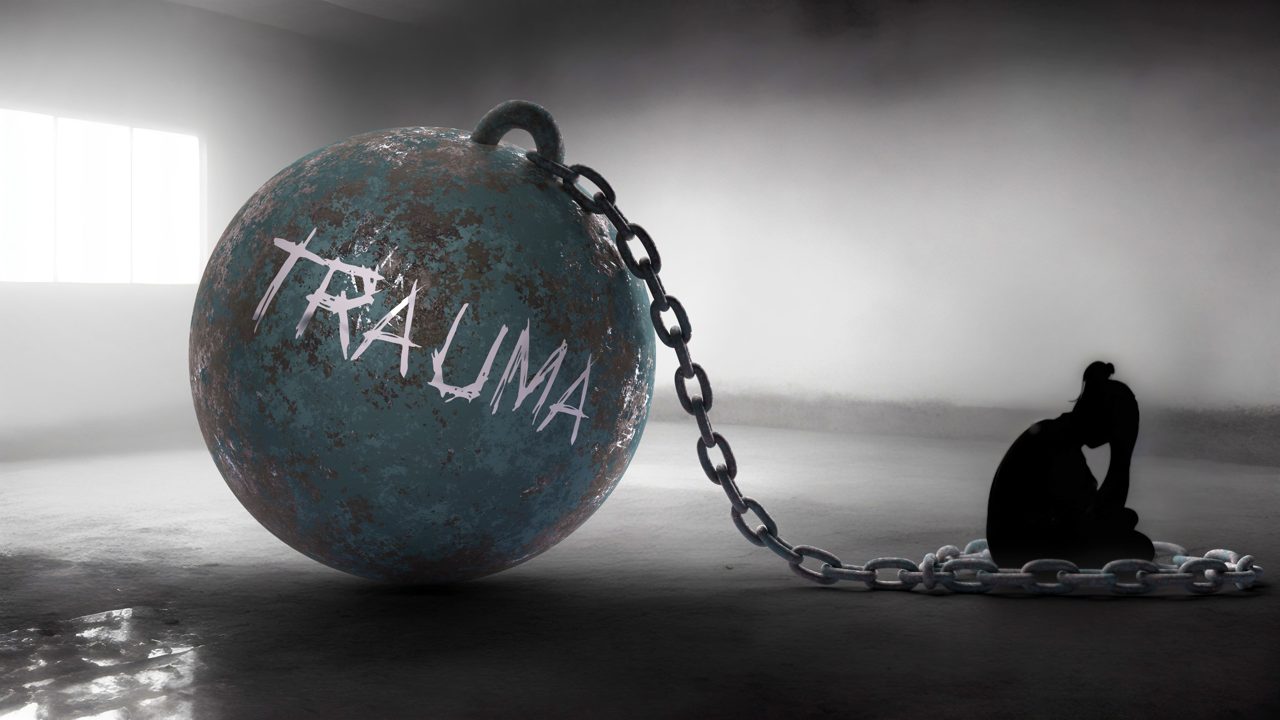
When something frightening or overwhelming happens, it makes sense that our minds and bodies would react — and that those reactions might linger. If you find that a past experience keeps intruding on your present, you are not weak, and you are not broken. Post-traumatic stress is a very human response to events that were never supposed to happen.
What it is
Post-traumatic stress disorder, or PTSD, can develop after you live through or witness something deeply distressing. That might be a single event, like an accident, an assault, or a disaster. It can also grow out of ongoing or repeated trauma, such as living with violence over time. PTSD is not a sign of a personal failing — it is a normal response to abnormal circumstances.
What it can look like
PTSD shows up differently for each person, but some experiences are common:
- Re-experiencing the event through flashbacks, nightmares, or unwanted memories that feel very real
- Avoiding places, people, or conversations that bring the memory back
- Feeling constantly on guard, easily startled, or unable to relax — sometimes called hypervigilance
- Changes in mood and thinking, like guilt, numbness, irritability, or trouble feeling close to others
- Difficulty sleeping or concentrating
How care helps
Healing is possible. Trauma-focused therapies, such as trauma-focused cognitive behavioral therapy, help you process what happened at a pace that feels safe, so the past loosens its grip on the present. A caring clinician can also help you build tools to calm your body and reconnect with the people and activities you value. For some people, medication can be a helpful part of the picture as well.
You do not have to carry this alone, and you do not have to relive everything to get relief. With support, many people find that the memories become part of their story rather than something that controls their days.