
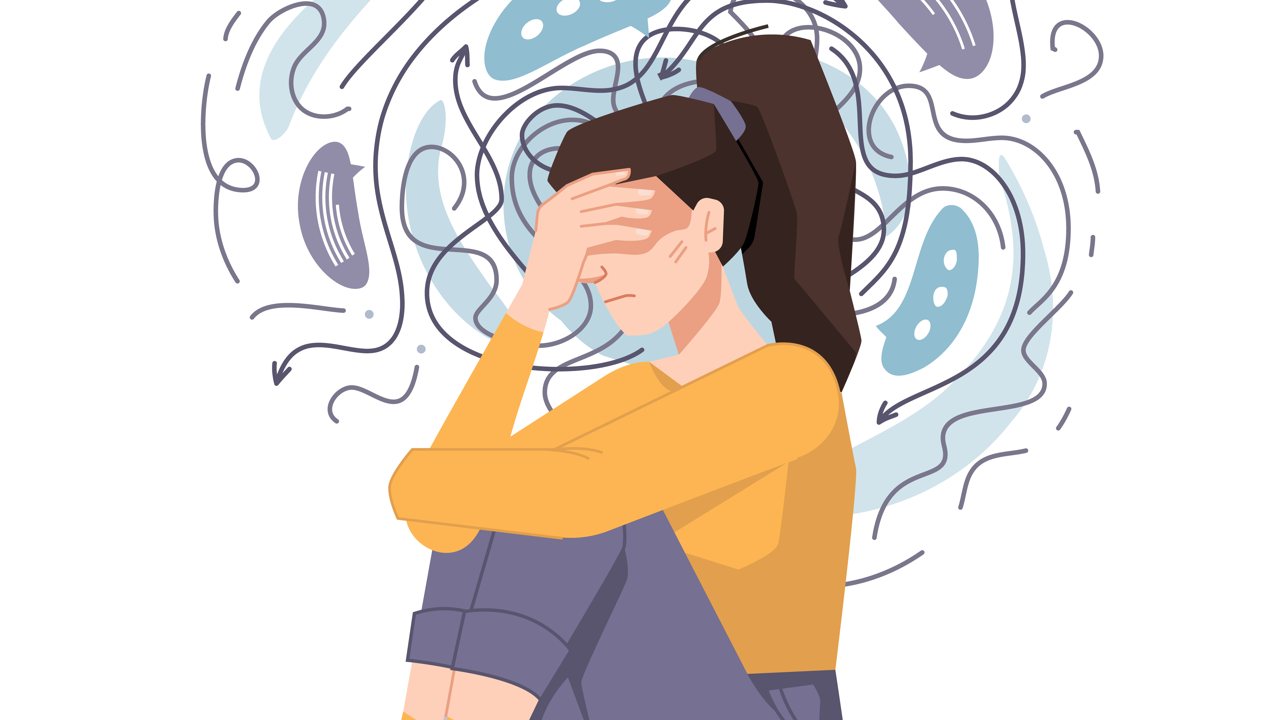
Obsessive-compulsive disorder (OCD) is one of the anxiety disorders, and it can quietly take over more and more of a person’s day. Someone with OCD gets caught in a loop of repetitive thoughts and behaviors that feel senseless even to them, yet are very hard to stop. OCD ranges from mild to severe — and when it’s severe and untreated, it can interfere with work, school, and life at home. The good news is that it responds well to treatment.
More common than people think
For a long time OCD was considered rare, in part because many people kept their thoughts and rituals hidden and never sought help. In fact, it affects more than 2% of people — more common than several other well-known conditions. It shows up across every background, and affects men and women about equally.
The two key features
Obsessions are unwanted thoughts, images, or impulses that keep surfacing. Common ones include a fear that harm will come to you or someone you love, an intense worry about contamination, or a nagging need to do things “just right.” These thoughts are intrusive and distressing, and they drive up anxiety.
Compulsions are the repetitive behaviors people use to try to quiet those obsessions — washing, checking, counting, repeating, arranging, or mentally reviewing things. The relief they bring is real but only temporary, which is what keeps the cycle going.
How OCD is treated
OCD is treated with psychotherapy, medication, or both together.
The most effective therapy is cognitive-behavioral therapy, often using an approach called exposure and response prevention. With your therapist’s support, you gradually face the situations that trigger anxiety while practicing not carrying out the compulsion. Much of the work happens between sessions, as everyday practice. For many people — especially when compulsions are the main struggle — this therapy works even better than medication.
Medication can also help. The types most often prescribed are SSRIs, which tend to have fewer side effects than older options. Improvement usually isn’t immediate — it often takes a few weeks to notice change, and finding the right fit can take some trial and adjustment with your prescriber. Treatment typically continues for several months or more.