Many people who live with a mental-health condition also struggle with alcohol or other substances — and that combination can feel confusing and isolating. If this is your experience, you are not alone, and you are not to blame. There is a name for it, and there is real help.
What it is
A dual diagnosis, sometimes called co-occurring disorders, means that a mental-health condition and a substance use concern are happening at the same time. That might be depression alongside drinking, anxiety alongside cannabis or other substances, or many other combinations. Neither part causes the whole story, and both deserve attention.
Why they feed each other
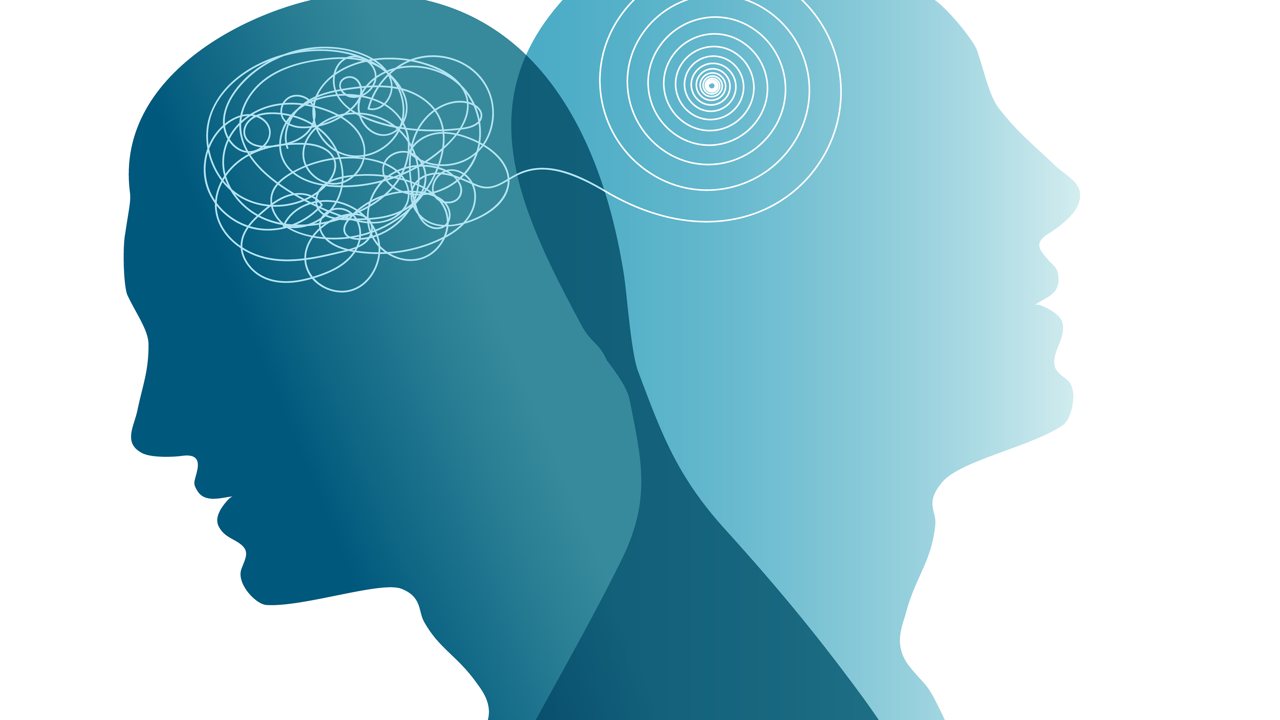
Mental health and substance use often become tangled together. It is common for one to make the other harder:
- Someone in emotional pain may use substances to find temporary relief
- Substance use can, over time, deepen anxiety, low mood, or sleep problems
- Withdrawal and cravings can add new stress to an already heavy load
- Shame and stigma can make it hard to reach out for either concern
Because they are so connected, treating only one side often leaves the other pulling a person back.
How care helps
Research and experience both point the same way: integrated treatment — addressing mental health and substance use together, with one coordinated team — tends to work better than tackling them one at a time. Care may include therapy, support groups, skills for coping and relapse prevention, and, when helpful, medication. Above all, good care meets you without judgment and honors your dignity.
Recovery is not a straight line, but it is possible. With support that sees the whole you, healing on both fronts can grow together.