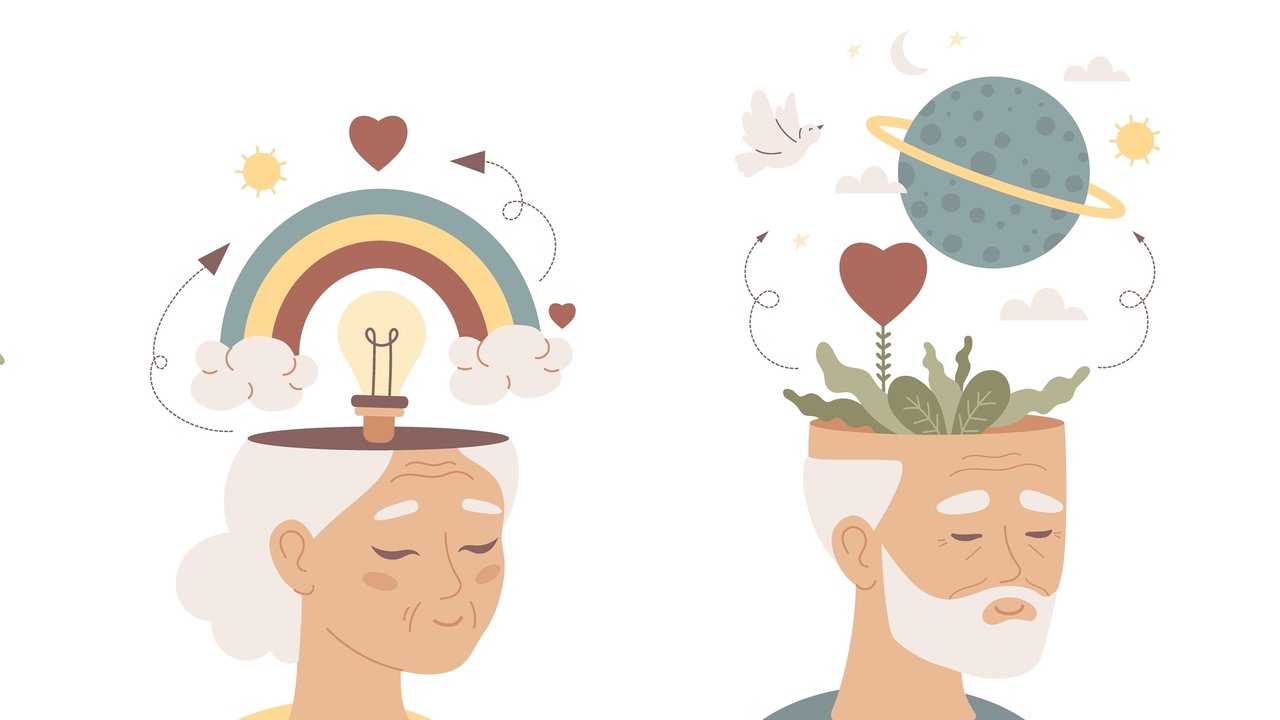
Growing older brings wisdom, memories, and often a deep sense of who we are. It can also bring real losses and changes that weigh on the heart. Emotional wellbeing matters just as much in later life as at any other age, and you deserve support through every season.
What can weigh on us in later life
Later years often carry particular challenges:
- Grief and loss — of a spouse, friends, or a familiar way of life
- Isolation or loneliness, especially when it is harder to get out
- Changes in health, mobility, or independence
- Shifting roles, such as retirement or no longer being the caregiver
- Worries about the future or about being a burden
Grief and loss are not the same as clinical depression
This is an important distinction, and one that often gets blurred. Grief is a natural, healthy response to loss — not an illness. It tends to come in waves, rising and easing, and it stays connected to the person or life you are mourning. In grief, you can still feel moments of comfort, warmth, and connection, and your sense of your own worth usually stays intact. Grief is the heart’s way of honoring what mattered, and it moves at its own pace.
Clinical depression is different. It is a persistent condition that colors nearly everything, day after day, and it is not tied only to a single loss. It can bring a steady sense of worthlessness or hopelessness, a loss of interest across the board, and it does not lift and return the way grief does.
It is worth being clear: although the DSM (the manual clinicians use for diagnosis) does recognize bereavement-related categories, grief itself is not clinical depression. Mourning a loss is not a disorder, and it should not be treated as one. Both grief and depression deserve compassion and support — but they are not the same thing, and confusing the two can lead to grief being medicalized when what it really needs is time, care, and companionship. If grief ever deepens and lingers into something that feels like depression, that is worth talking through with a clinician — not because grieving is wrong, but because you deserve support if the weight is not easing.
Depression is not a normal part of aging
It is a common myth that feeling depressed is just part of getting older. It is not. Ongoing depression is a health condition — and it is treatable at any age. Persistent low mood, loss of interest, sleep or appetite changes, or feeling hopeless are worth talking about, not just accepting as “how things are now.”
How care helps
Support can make a real difference. Talking with a caring clinician can ease grief, lift depression, and help you find connection and meaning again. Care may include therapy, gentle daily routines, staying linked to community and loved ones, and, when appropriate, medication. Small steps toward connection and purpose can brighten daily life. If distress ever brings thoughts of self-harm or you feel you are in crisis, you can call or text 988 (Suicide & Crisis Lifeline) any time, free and confidential in English and Spanish.
Later life can still hold joy, connection, and growth. You are worthy of care, and it is never too late to feel better.