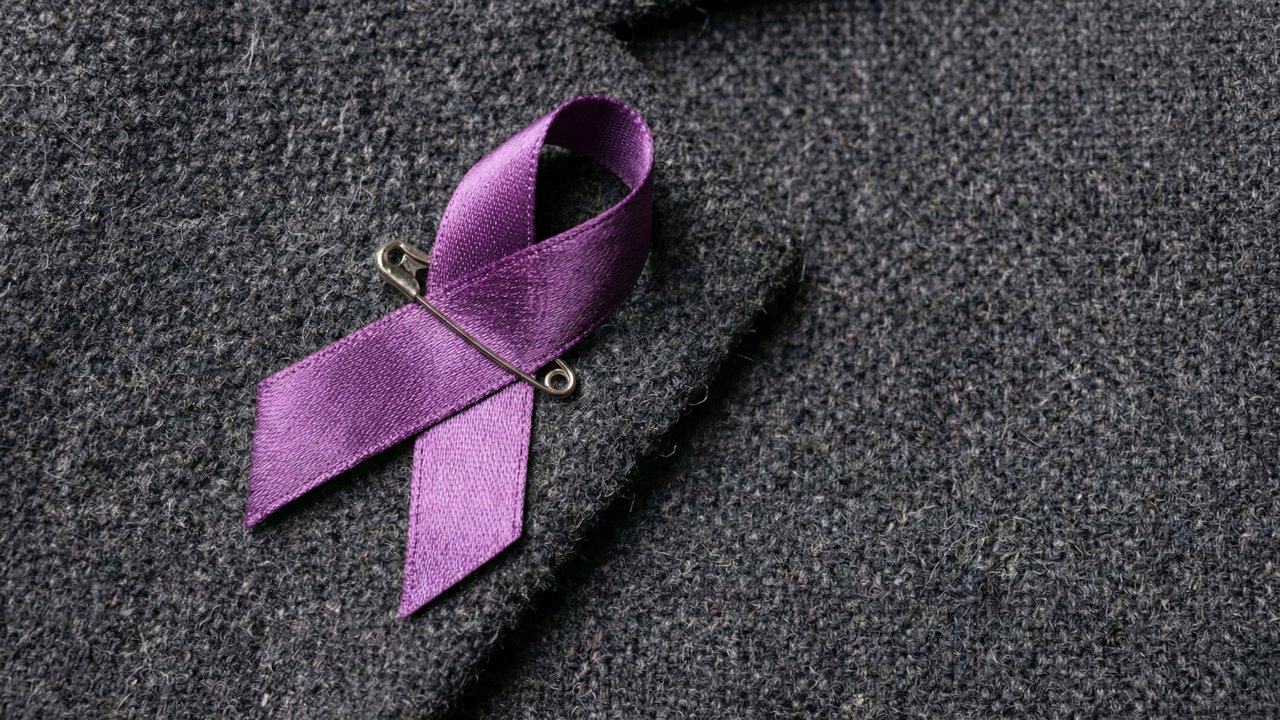
If something in a relationship has left you feeling frightened, small, or unsafe, please know this: you deserve to feel safe, and what is happening is not your fault. Abuse can be hard to name, especially when it comes from someone you love. You are worthy of respect and support, and you are not alone.
What abuse can look like
Abuse is not only physical. It can take many forms, and they often overlap:
- Physical — hitting, pushing, or any harm to your body
- Emotional — put-downs, threats, blaming, or constant criticism
- Verbal — yelling, name-calling, or humiliation
- Financial — controlling money, work, or access to resources
- Sexual — any unwanted or forced sexual contact or pressure
The dynamics of control
Abuse is often about power and control rather than a single argument. Over time it can include isolating you from family and friends, monitoring where you go, blaming you for the harm, or shifting between cruelty and apology. This can leave you doubting yourself and wondering if you are overreacting. You are not. Trust what your experience is telling you.
Help and safety exist
You do not have to have everything figured out to reach for support. Trained advocates can listen without judgment, help you think through your options, and support you in making a safety plan at your own pace — whether or not you are ready to make any changes right now. Talking with a caring clinician can also help you heal from the emotional weight abuse leaves behind. Your safety and your dignity matter.
You deserve to be safe, respected, and free. Support is available whenever you are ready.